
-
People who care
-
Solutions you trust
-
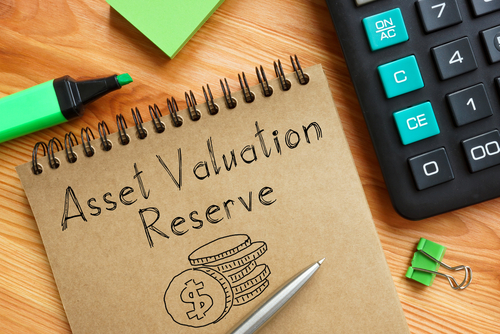
According to FitchRatings, over the past 12 months ending August 2026, there were 109 defaults by 89 entities, compared to the same period ending July 2026 where 83 entities saw 105 defaults. With businesses (especially life insurers) exposed to asset…

According to the July 12, 2026, Consumer Price Index Release from the U.S. Bureau of Labor Statistics, the 12-month inflation rate rose by 3.4 percent and the month-over-month measure rose by 0.1 percent in July 2026…

With more than $57 trillion in mergers and acquisitions, according to the Institute for Mergers, Acquisitions & Alliances, understanding…

Horizontal Analysis provides businesses a method to examine financial statement entries by looking at the documents’ number for a specific accounting time frame compared to the same length of a historical period for the same accounting line item…

When it comes to raw materials, especially for fossil fuels, it’s essential to evaluate existing and potential production capabilities for such companies. Using the EV/2P Ratio is a powerful tool when evaluating fossil fuel-related…

While Cash EBITDA isn’t recognized by generally accepted accounting principles (GAAP), it’s a way for company owners and investors to account for deferred revenue during valuation modeling. This financial metric…

With 57 percent of public companies offering their workers employee stock purchase plans (ESPPs), according to the National Association of Stock Plan Professionals (NASPP), understanding how qualifying dispositions work is an essential…

Whether you are an investor, an owner or an internal financial analyst, understanding how the equity multiplier works and how to interpret it is a helpful skill.

An activity cost driver is anything that causes a company’s variable costs to either reduce or grow. Since measuring an activity cost driver is a way to streamline the administration of managing production costs, it’s…

Whether it’s an individual investor or a business owner looking to increase their earning power, understanding how accretion works is essential for individual and business investors to make the correct decisions…

When it comes to evaluating a business, there are many ways to perform a valuation. One way to do so is to use the Q Ratio. Known as Tobin’s Q Ratio or simply the Q Ratio, this method looks at the proportion between the values…

Contribution margin after marketing (CMAM) measures how much money is generated per unit retailed after factoring in a company’s variable costs, along with marketing costs.

According to the Federal Reserve Bank of St. Louis, collection agencies saw $16.28 billion in revenue in 2019. While revenues have declined somewhat in recent years, unpaid invoices are still big business. Accounts…

When it comes to businesses and asset depreciation, there are many types available, such as straight-line, units of production, double declining balance and sum of years digits. While these aren’t the only ones, they are…

Liquidity looks at how well a company can handle paying wages, inventory and lending repayments via measuring its cash or quasi-cash levels. Put another way, it looks…

The goodwill to assets ratio measures how much of a company’s total assets come from goodwill – an intangible asset like brand value or customer loyalty – and it plays a role in assessing the company’s overall value. It…

When it comes to the risk of default, Moody’s found that during Covid-19, American businesses had a 7.8 percent chance of defaulting. This is compared to a low of 4 percent in 2021, but lower than the current 9.2 percent risk of…

When it comes to analyzing a company’s financials, there are many avenues we can take. One way is through multiples; calculating the EV/2P multiple is the focus of this analysis…

The subscription economy, according to Forbes, is expected to reach $1.5 trillion in revenue for businesses. With the potential likely realized this year, it’s vital to understand how it is tracked – and more importantly, how…

Return on Ad Spend (ROAS) is one way to help advertising and marketing professionals and investors analyze how well promotions do (or don’t) produce sales. It helps advertisers develop data based on their campaigns’ revenue…

The CAC Payback Period looks at how a business needs to recover its investment in attracting new customers. It is especially crucial for companies that are in industries with large marketing and…
No matter the type of business or industry, being able to analyze and deduce patterns is essential to discovering a business’ financial health. Here are four commonly used calculations to help internal and external…
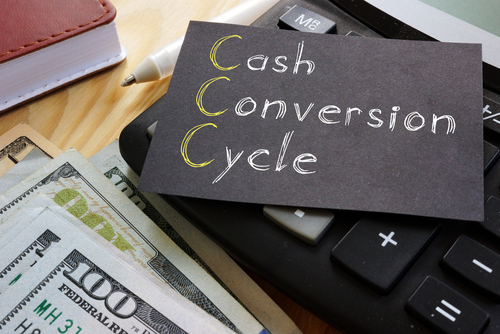
This metric, which is also referred to as the cash cycle or the net operating cycle, looks at the time a business takes to recover its investment in inventory to eventually sell. The process starts from selling its goods, collecting…
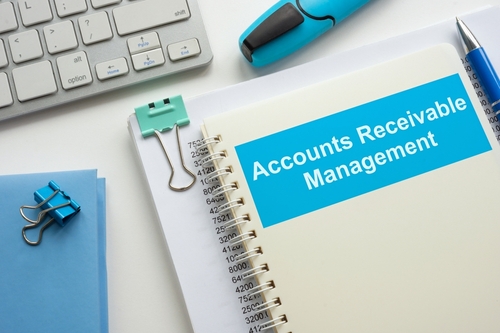
Analyzing a company’s Accounts Receivables is an effective way to measure its current cash flows and the likelihood of maintaining healthy cash flows. According to the U.S. Chamber of Commerce’s Small Business Index (Third Quarter 2024), 68 percent…

Whether it’s a private equity transaction or an institutional or retail investor, analyzing a company’s financial statements is an important part of fundamental analysis. One important but basic way…

When it comes to running a business, there are a lot of expenses incurred during operations. As of January 2024, New York University’s Stern School of Business had recorded nearly $1.2 trillion in capital expenditures by U.S.

With more than eight million small businesses in America, and more than $776 billion in net premiums issued by the insurance industry in 2022 for commercial policies (according to the Insurance Information Institute), business…

A credit policy explains how a company will manage lines of credit for client accounts, and what procedures to follow for severely outstanding invoices. It helps a business promote a robust foundation for its working capital level…